

Culture in the U.S. is described as individualistic, whereas it is described as collectivistic in China. Psychologist Geert Hofstede defines individualism as “a preference for a loosely-knit social framework in which individuals are expected to take care of only themselves and their immediate families.” He defines collectivism, its opposite, as

I recently had an experience that may be relatable to a lot of people who have thought about their own money, their kids’ money, or their clients’ money. For the last two July 4th weekends, my father-in-law has helped our children set up a lemonade stand in town. This year,

Key Takeaways With election uncertainty often comes increased market volatility, but this typically subsides after the election. Historical market performance has varied widely around elections but has on average been positive regardless of which political party has been victorious. Market timing based on elections is risky and unlikely to outperform
Key Takeaways The move to T+1 settlement for U.S. securities represents a significant development expected to reduce counterparty risk for investors. The shift is a continuation of a longer-term trend toward shorter settlement cycles driven by technological advancements. Other non-U.S. markets have already enacted T+1, with more markets expected to
Think about your answer to the following question: “Please imagine a ladder, with steps numbered from 0 at the bottom to 10 at the top. The top of the ladder represents the best possible life for you, and the bottom of the ladder represents the worst possible life for you.

Many years ago, a financial adviser told me about a couple, prospective clients, who said, “Before you start planning for us, you should know that we have a disabled son. We need to plan for him first so he is supported even when we’re gone.” I often note that the




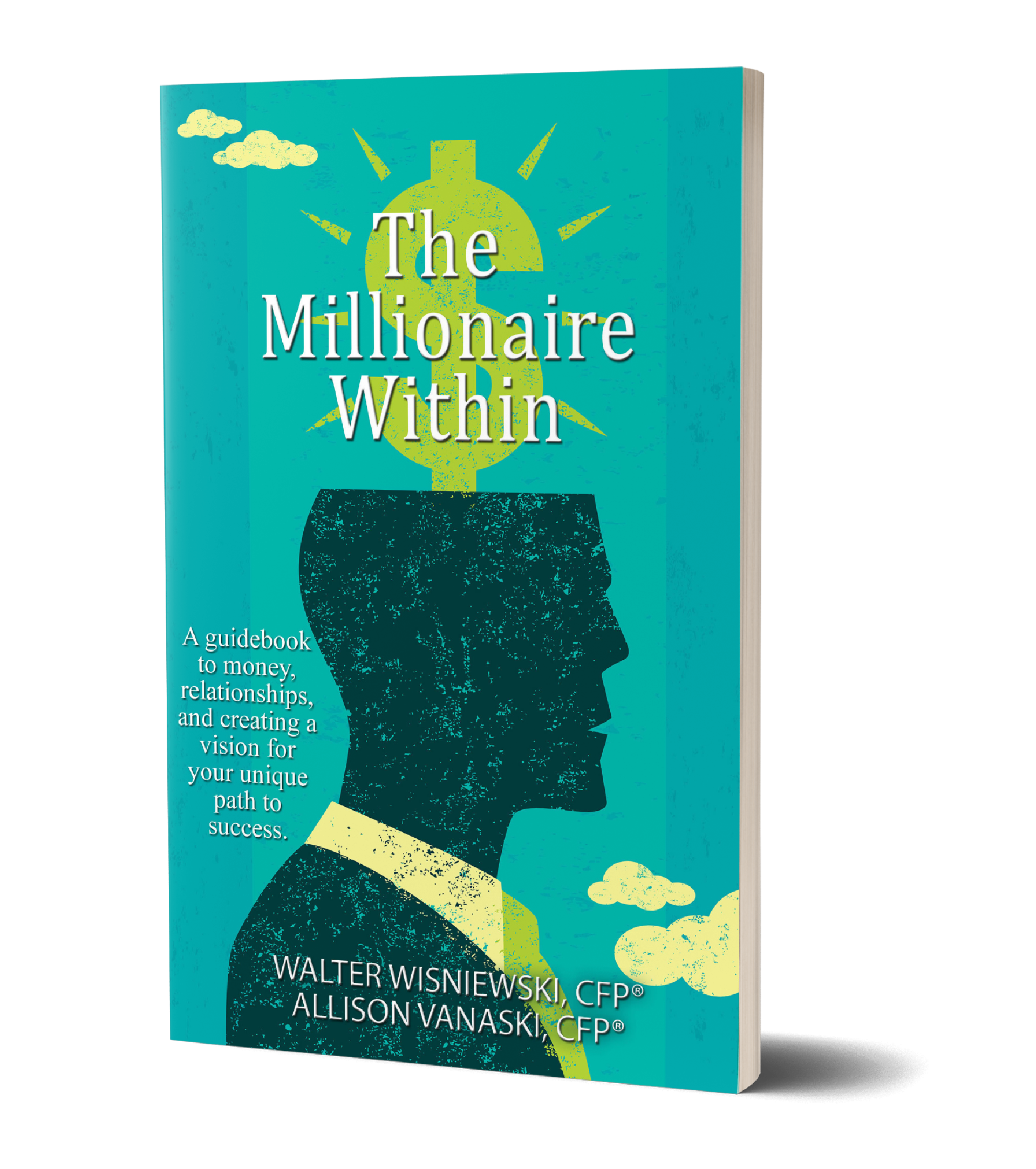
The Millionaire Within
Intelligent financial decision-making is not about money. It’s about emotions, behavior, and unleashing the power that lies within you.